Understanding the 9 Real Costs of Buying a Home in North Carolina

Buying a home is one of the most meaningful financial decisions you will ever make. Whether you are a first-time buyer or purchasing again, it is common to feel uncertain about the funds required to complete a purchase. Many buyers believe a down payment is optional, assume closing costs and prepaids are covered by the lender, or think no money is needed up front at all. While there are excellent programs that may help reduce the amount due at closing, every home purchase carries real financial requirements that buyers must be prepared for.
This guide explains the true costs of buying a home in North Carolina and outlines the basic loan guidelines that influence approval, including minimum credit scores and acceptable debt to income ratios. Understanding these details early will help you avoid surprises and feel confident and empowered throughout the home buying process.
1. Down Payment Requirements
A down payment is the amount of money a buyer contributes toward the purchase price of a home. The amount depends on the loan type.
Common Loan Types and Minimum Down Payments
Conventional Loan
Minimum down payment is usually 3% for qualified buyers.
A higher down payment may be required if credit scores are lower or if the buyer has a higher debt to income ratio.
FHA Loan
Minimum down payment is typically 3%-5%.
This loan is designed to help buyers with lower credit scores or limited funds, but buyers still must provide a down payment.
VA Loan
No down payment is required for eligible military service members and veterans.
However, most buyers will pay a VA funding fee unless they are exempt due to disability status.
The funding fee can be large depending on loan type and whether it is a first or subsequent use. This fee can be rolled into the loan amount, but buyers should understand that it increases the total cost of the mortgage.
USDA Loan
No down payment is required for eligible rural properties and qualified buyers.
Buyers will still have closing costs and prepaid items.
2. Closing Costs
Closing costs are separate from the down payment. These fees are paid to third parties involved in the transaction. They are required for every loan.
Closing costs typically include:
Loan origination fees
Appraisal fee (this is the buyer responsibility and is not optional if obtaining a loan for the purchase)
Credit report
Attorney or title company fees
Title search and title insurance
Recording fees
Transfer taxes (where applicable)
In North Carolina, closing costs usually average between 2%-4% of the purchase price. These are not optional fees and must be paid by the buyer unless the seller contributes toward them through seller concessions.
3. Prepaids and Escrow or Reserve Accounts
Prepaids are upfront costs that cover items you will need after closing.
Prepaids usually include:
Prepaid property taxes
Homeowners insurance premium
Mortgage interest for the first month
Homeowners association dues when applicable
A lender may also require an escrow or reserve account. This is a savings account built into your monthly mortgage payment that helps cover future taxes and insurance. At closing, the lender may require two to twelve months of taxes and insurance to be placed into this account, depending on the time of year.
4. Additional Buyer Expenses Many Do Not Expect
Beyond the required loan fees and prepaids, there are several important costs that buyers should be aware of.
Inspection Costs
Home inspections are entirely the buyer responsibility. These can include:
General home inspection
Radon inspection
Pest inspection
Well or septic inspection
Structural or specialty inspections if needed
These fees are paid upfront and are not refunded by the lender or seller unless negotiated in advance.
Buying Down Points
If you want to lower your interest rate, you may choose to buy discount points.
Each point costs money and is paid at closing. Buyers often underestimate the cost of buying down a rate, so this should be factored into your total funds needed.
5. Minimum Credit Score Requirements
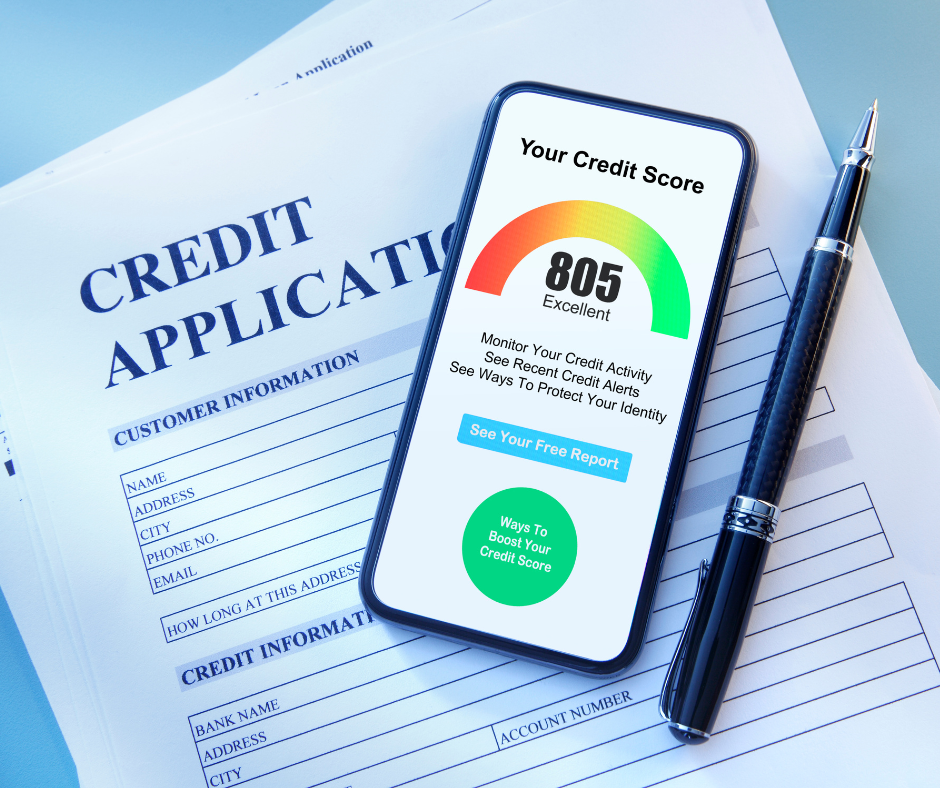
Your credit score significantly impacts your loan options, interest rate, and qualification.
General minimums include:
Conventional loans usually require a minimum score of 620
FHA loans may approve buyers with credit scores as low as 580
VA and USDA requirements vary but usually begin around 620
A higher credit score improves your chances of approval, lowers your interest rate, and may reduce reserve requirements from the lender.
6. Debt to Income Ratio (DTI)
Debt to income ratio measures how much of your monthly income goes toward debt payments.
DTI includes:
Car loans
Credit cards
Student loans
Personal loans
Other monthly obligations
Proposed mortgage payment including taxes, insurance, and HOA dues
Most lenders prefer a total debt to income ratio below 45%, although some programs allow higher ratios depending on credit scores and the overall strength of the application.
7. Earnest Money and Due Diligence Fees in North Carolina
In addition to the down payment, closing costs, and prepaids, North Carolina buyers must also be prepared for two unique fees.
Earnest Money Deposit
A small good faith deposit that shows the seller you are committed. This is paid to and held by the attorney's office handling the transaction. It is applied to closing costs at the end.
Due Diligence Fee
Paid directly to the seller. Gives the buyer the exclusive right to inspect the home and proceed with the purchase.
It is NON-REFUNDABLE unless the seller breaches the contract. It is applied at closing but must be paid upfront.

8. Why Buyers Need Cash Even With Zero Down Programs
Programs like VA and USDA are amazing options, but they do not eliminate:
Closing costs
Prepaids
Escrow reserves
Appraisal cost
Inspection costs
Due diligence fee
Earnest money
A grant or seller credit may help cover some items, but buyers always need some form of upfront money to complete a home purchase.
9. Preparing Yourself for Success
The best way to avoid surprises is to talk with a reputable local lender early in the process. A lender will help you understand your exact numbers including:
Total cash needed
Estimated monthly payment
Required credit score
Maximum debt to income ratio
Timeline for pre approval